
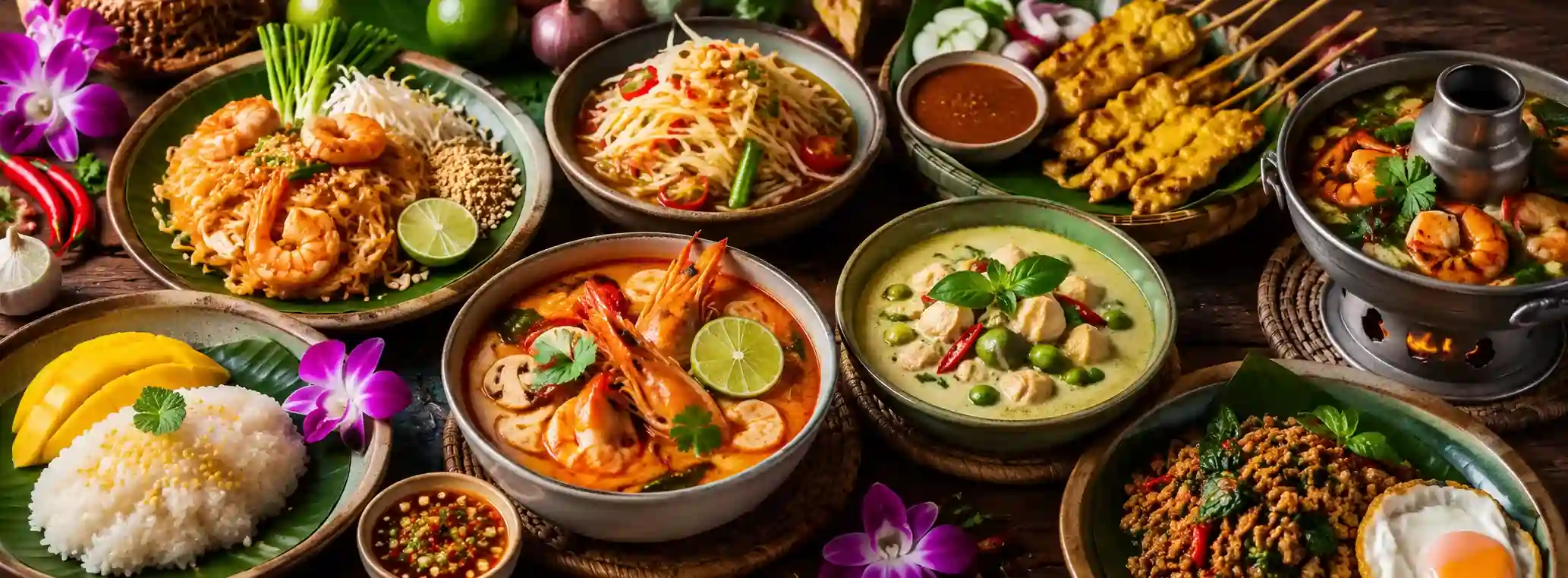
Must-Try Thai Dishes
Introduction
Thailand's food scene is enormous, but a handful of dishes consistently rank as essential eating for any visitor. These dishes appear on menus from street stalls to upscale restaurants, and trying them is part of understanding Thai cuisine as a whole.
Pad Thai

Stir-fried rice noodles with egg, tofu or shrimp, bean sprouts, and a tamarind-based sauce, finished with crushed peanuts and a wedge of lime. It is often the first Thai dish travelers try, and one of the most consistent in flavor across the country.
Tom Yum Goong

A hot and sour soup built around shrimp, lemongrass, galangal, lime leaves, and chili paste. The broth is sharp, fragrant, and instantly recognizable, making it one of the most iconic soups in Southeast Asia.
Green Curry

Known locally as gaeng keow wan, this curry combines green chilies, coconut milk, Thai basil, and usually chicken or beef. It tends to be creamy with a building heat that grows with each spoonful.
Massaman Curry
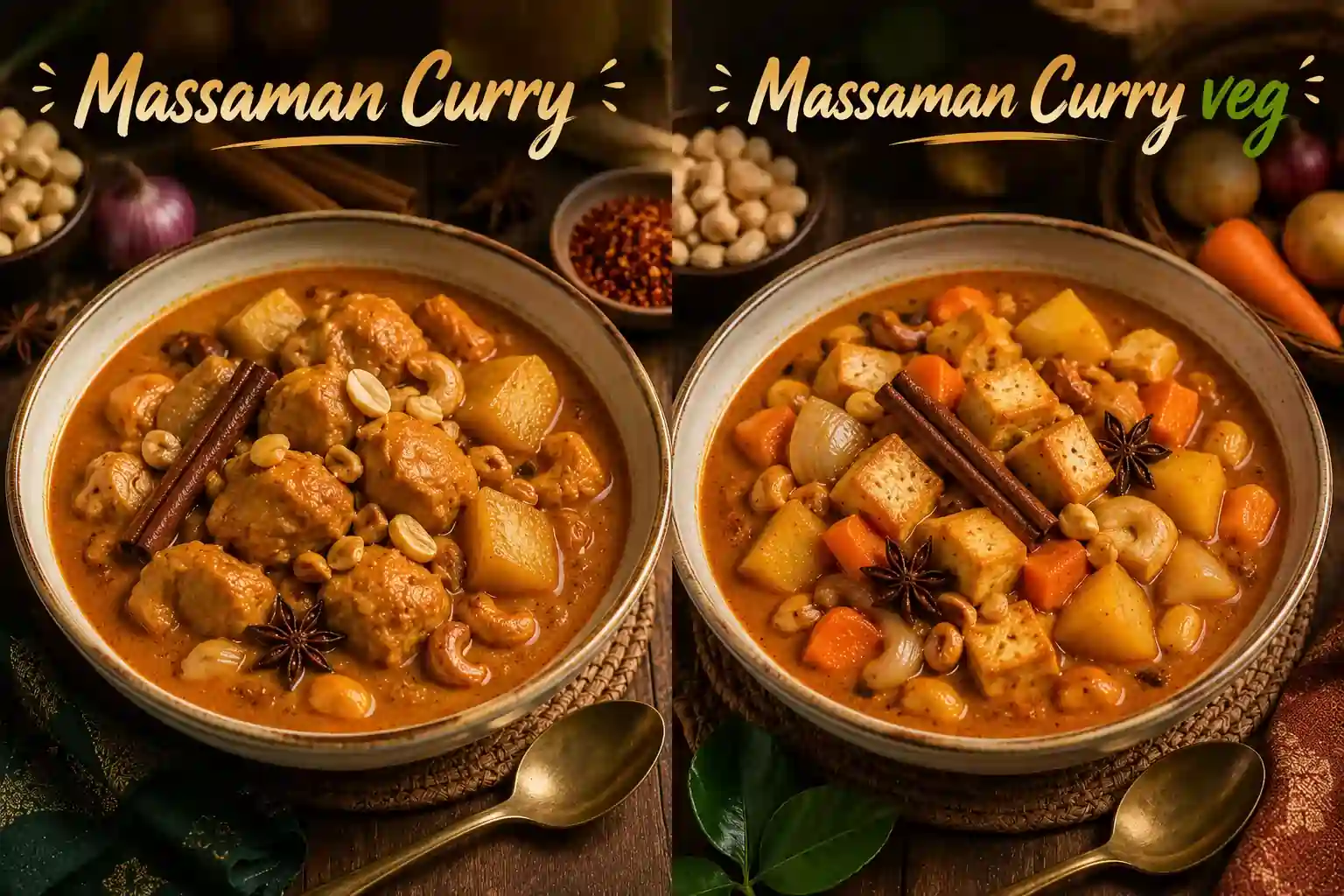
A milder, slightly sweet curry with Persian and Indian influences, often made with beef or chicken, potatoes, and roasted peanuts. It is a good entry point for travelers who want flavor without intense spice.
Pad Kra Pao
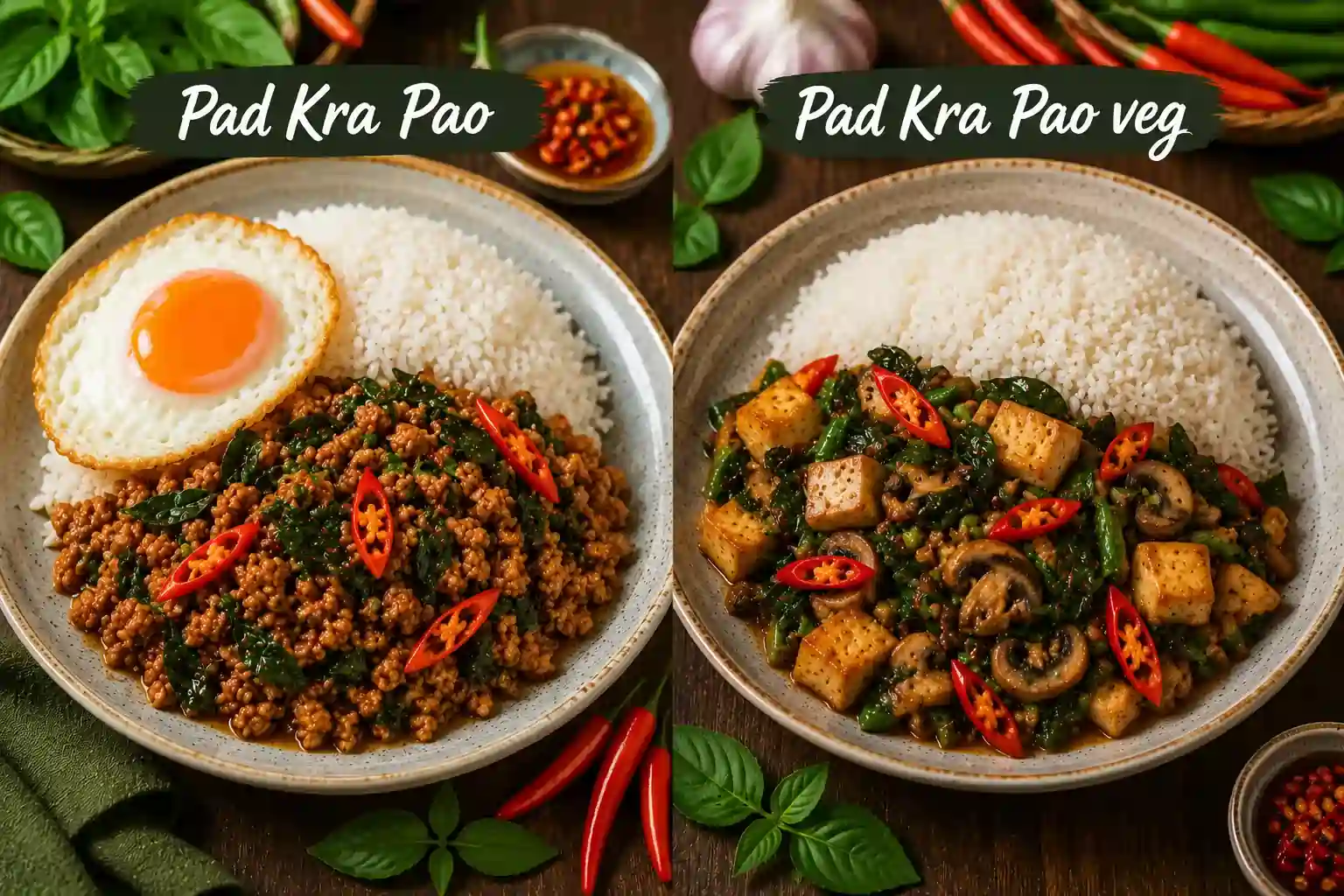
A fast, punchy stir-fry of minced meat, holy basil, chili, and garlic, almost always served over rice with a fried egg on top. It is one of the most common lunch dishes ordered by locals across the country.
Som Tam
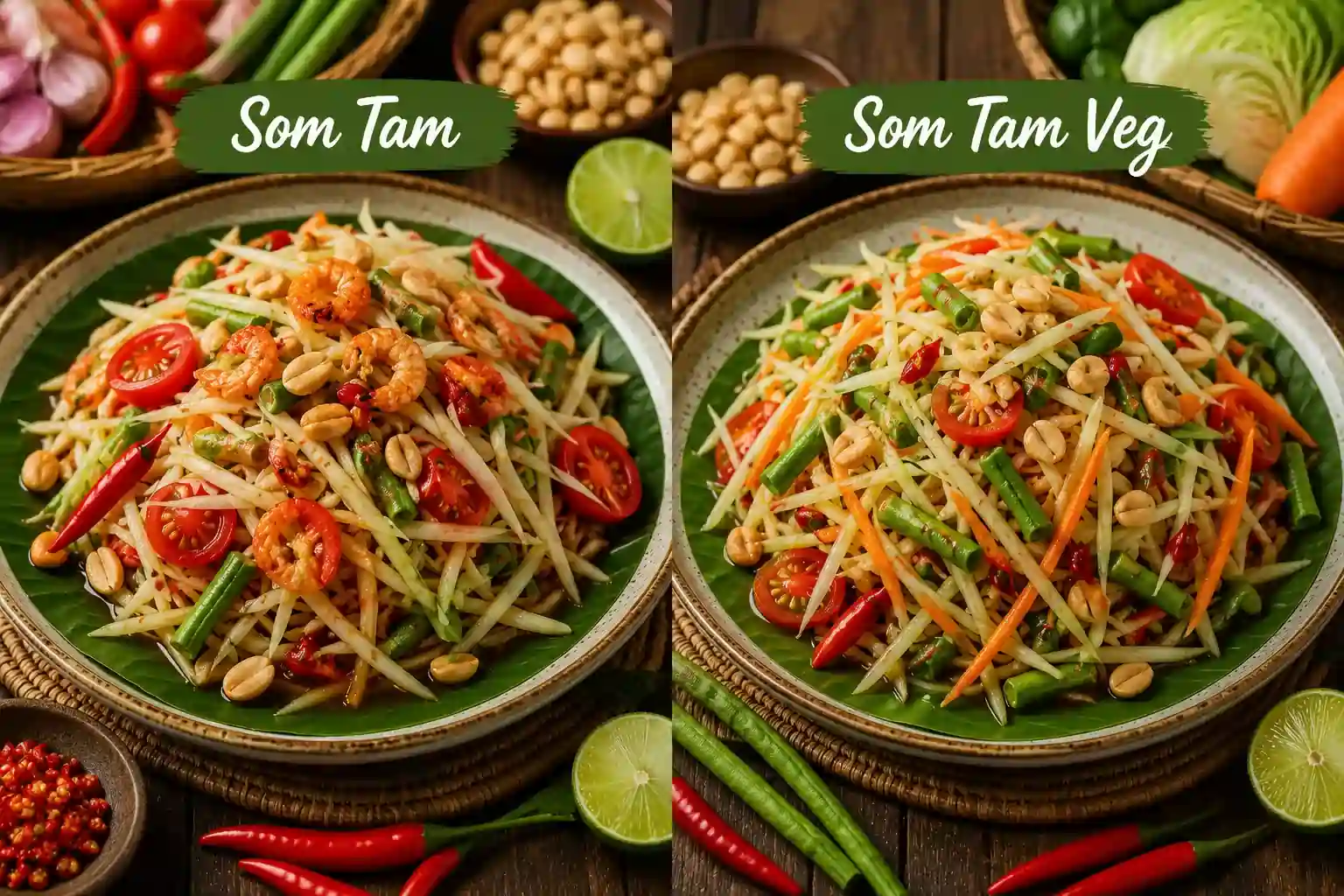
A spicy and tangy green papaya salad mixed with lime, fish sauce, chili, and often dried shrimp or peanuts. Originating from the Isaan region, it has become a nationwide favorite known for its sharp, refreshing kick.
Khao Soi

A northern Thai curry noodle soup topped with crispy fried noodles, served with chicken or beef in a coconut curry broth. It is closely associated with Chiang Mai and reflects the influence of nearby Myanmar.
Mango Sticky Rice
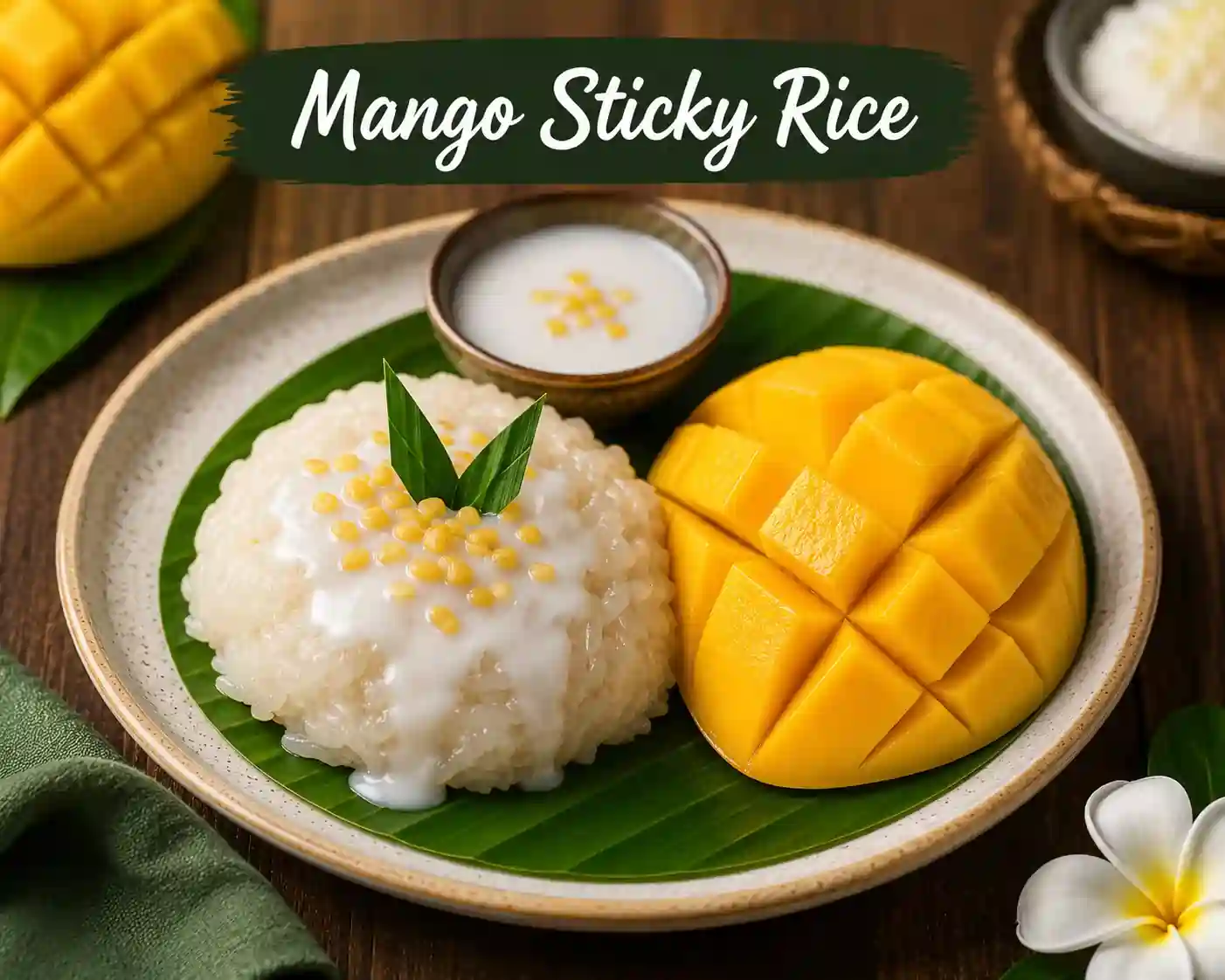
Sweet sticky rice served with fresh mango slices and warm coconut cream, often finished with toasted mung beans. It is one of the most popular desserts among visitors and widely available during mango season.
Satay
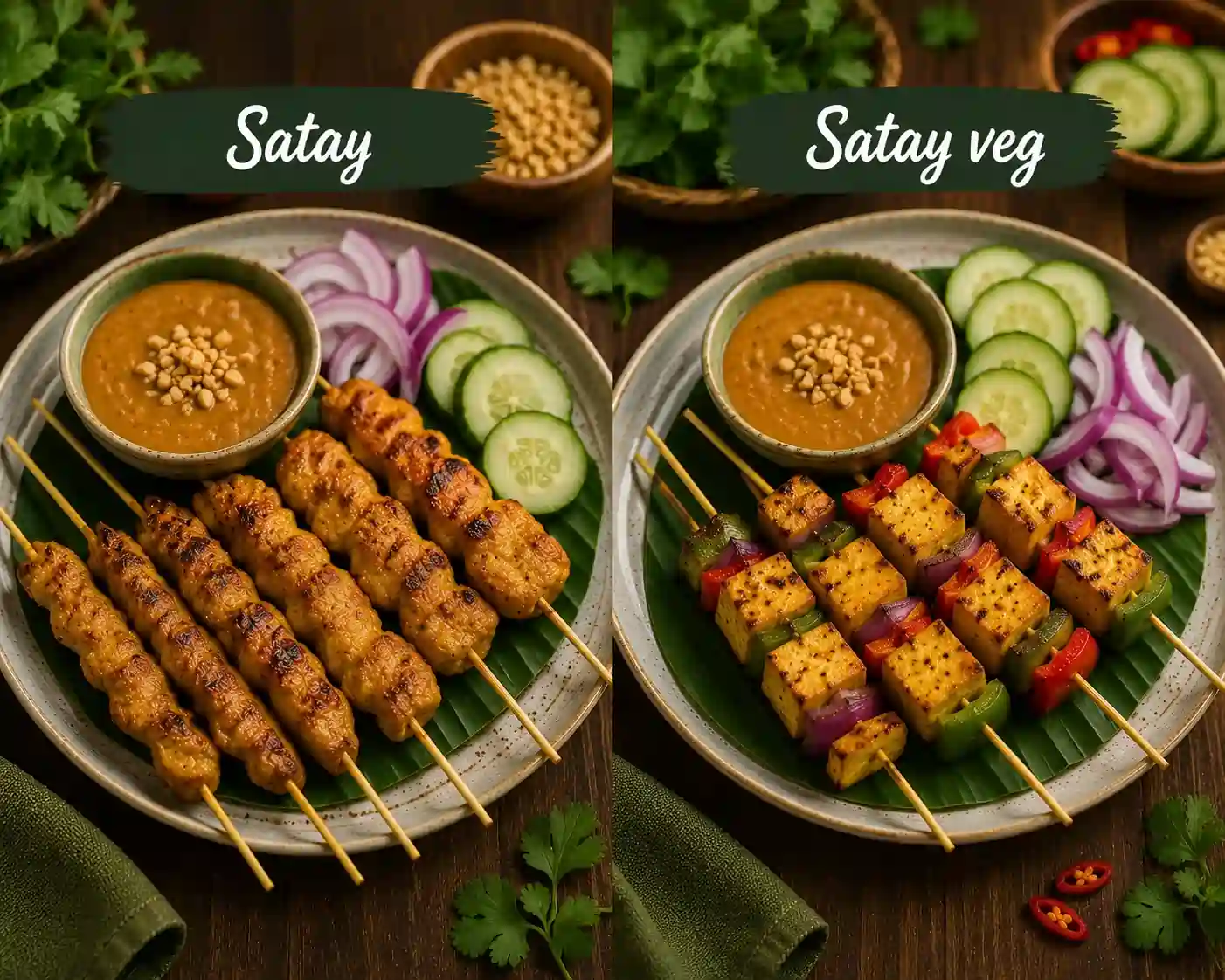
Grilled skewers of marinated meat, usually chicken or pork, served with a rich peanut dipping sauce and sometimes a side of cucumber relish. It works well as a starter or a light street food snack.
Boat Noodles
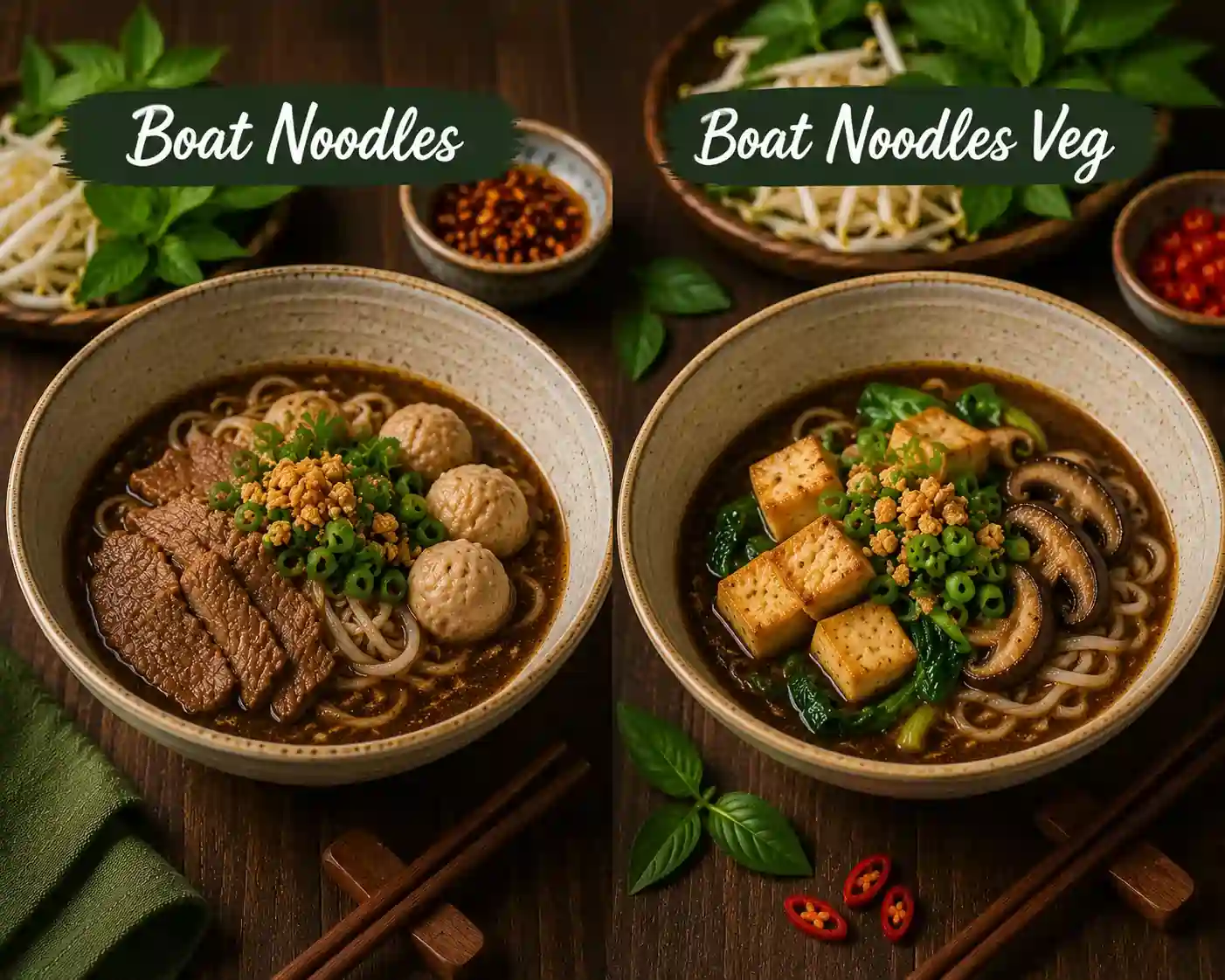
A small, intensely flavored noodle soup originally sold from boats along Bangkok's canals, traditionally made with a blood-enriched broth and pork or beef. Portions are deliberately small, encouraging diners to order several bowls in one sitting.
Best Dishes for First-Time Visitors
For travelers trying Thai food for the first time, Pad Thai, green curry, satay, and mango sticky rice offer a gentle, flavorful introduction. Tom Yum Goong and Pad Kra Pao are good next steps for those ready for a bit more spice and intensity.
Bangkok Street Food
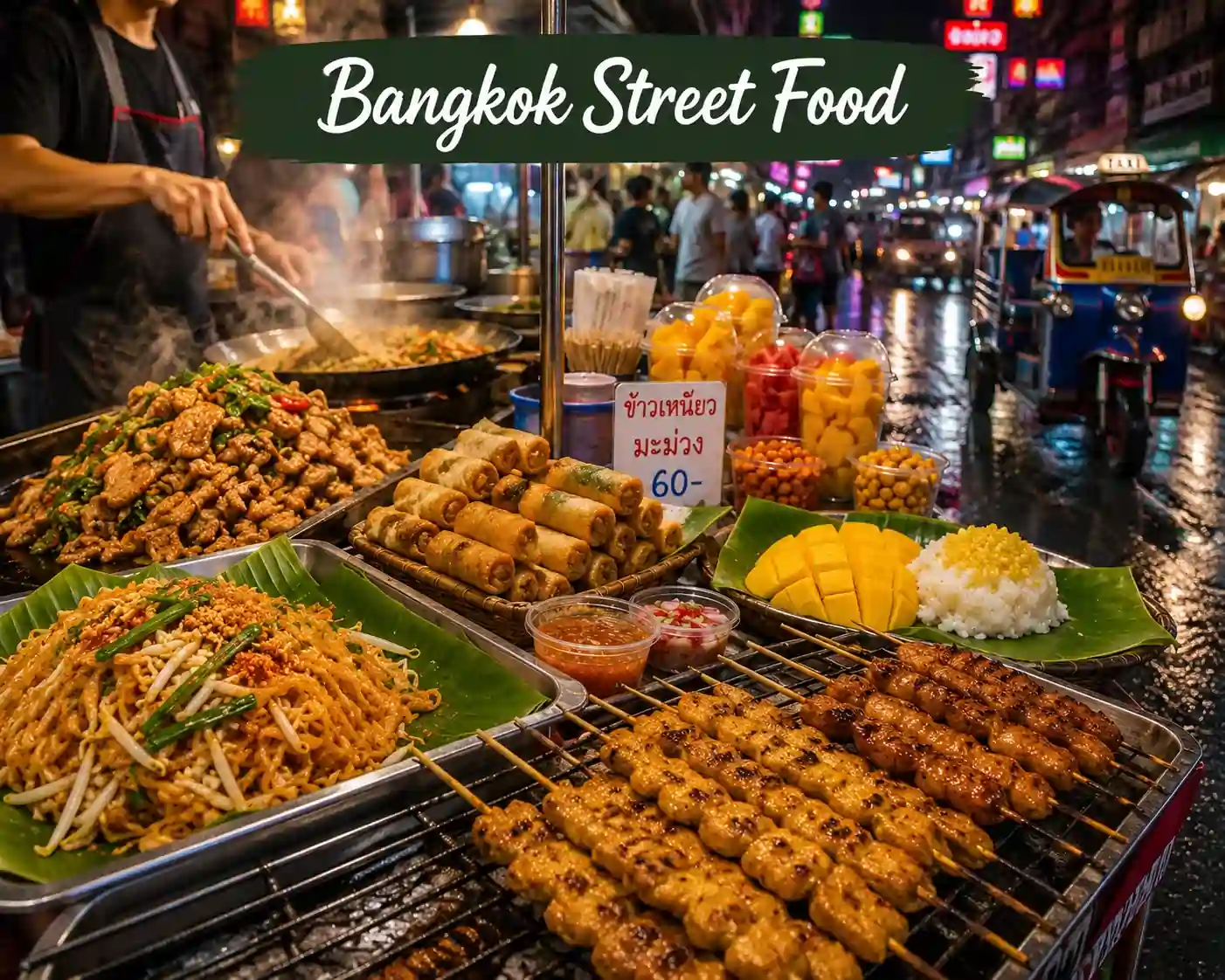
Why Bangkok Is Thailand's Street Food Capital
Bangkok is widely regarded as one of the best street food cities in the world, and a large part of any visit to Thailand revolves around eating through its streets, alleys, and markets.
If you're planning to explore the city's famous food markets and attractions, read our Bangkok Travel Guide for neighborhood recommendations, sightseeing ideas, and travel tips.
Bangkok's size, density, and round-the-clock pace have created a street food culture unlike anywhere else in the country. Vendors set up in nearly every neighborhood, often specializing in just one or two dishes perfected over years, and competition between stalls keeps quality high and prices low.
Popular Street Food Areas
- Yaowarat (Chinatown) – known for seafood, noodles, and late-night eating.
- Ratchada – home to a popular night market with food stalls and live music.
- Victory Monument – famous for boat noodles and quick, cheap meals.
- Or Tor Kor Market – a higher-end market known for fresh fruit and prepared food.
If you enjoy Thailand's night market food culture, don't miss our Pattaya Travel Guide, which covers Pattaya's night markets, seafood, and local dining experiences.
What to Eat
Bangkok's street stalls cover almost every Thai dish imaginable, from grilled skewers and noodle soups to fried rice, mango sticky rice, and fresh fruit cut to order. Many visitors find that grazing across multiple stalls in one outing gives a better sense of the city's food range than sitting at a single restaurant.
Typical Prices
Street food in Bangkok generally costs between 40 and 100 baht per dish, making it one of the most affordable ways to eat well in the city regardless of travel budget.
Best Time to Visit
Early evening through late night tends to offer the widest variety, since many stalls only set up after the afternoon heat fades. Many of Bangkok's most popular street food vendors can also be found in the city's night markets, making them an excellent place to sample local dishes while shopping and enjoying live entertainment. Some of the best-known spots stay busy until well past midnight.
Northern Thai Food (Chiang Mai)
How Northern Thai Cuisine Differs
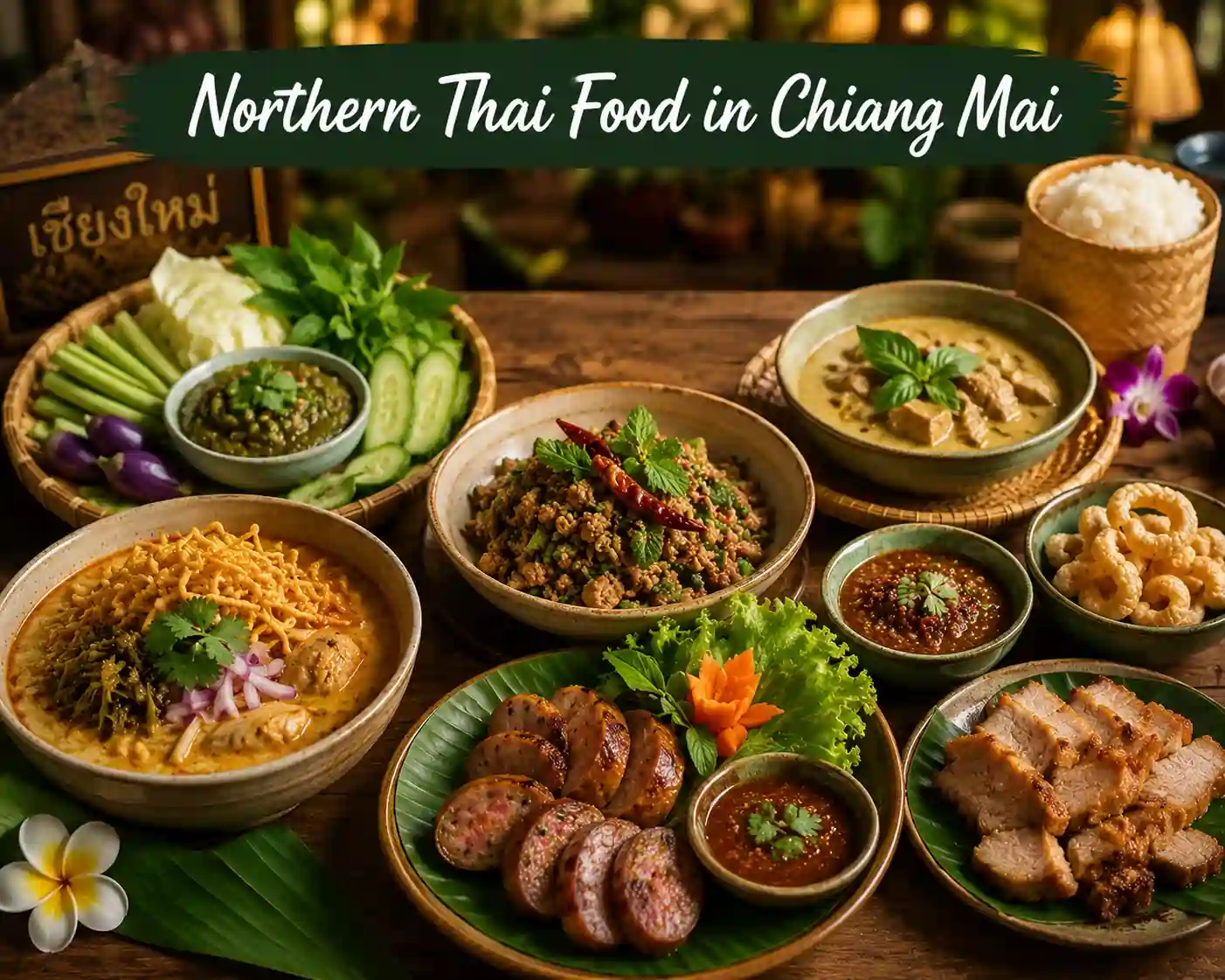
Northern Thailand has a food culture shaped by its mountainous geography and proximity to Myanmar and Laos, giving it a noticeably different character from food in Bangkok or the south.
Northern Thai food tends to be less sweet and less coconut-heavy than central or southern cooking, relying more on herbs, fermented ingredients, and grilled or roasted flavors. Sticky rice, rather than steamed rice, is the staple here.
Signature Dishes
- Khao Soi – the region's signature curry noodle soup.
- Sai Oua – a herb-packed grilled Northern Thai sausage.
- Nam Prik Ong – a tomato and chili dip eaten with vegetables and pork.
- Gaeng Hang Lay – a rich, slow-cooked pork curry with Burmese influence.
Local Markets
Chiang Mai's markets, including the well-known night markets near the old city, offer an easy way to sample multiple northern dishes in one visit, often at lower prices than sit-down restaurants.
Foods Visitors Should Try
Beyond Khao Soi, visitors should try Sai Oua and Nam Prik Ong, both of which are difficult to find outside northern Thailand and offer a clear contrast to the flavors most travelers associate with Thai food generally.
Southern Thai Food (Phuket & Krabi)
Characteristics of Southern Thai Cuisine
Southern Thailand's food is shaped by its coastline, its access to fresh seafood, and its historical trade links with Malaysia and southern China.
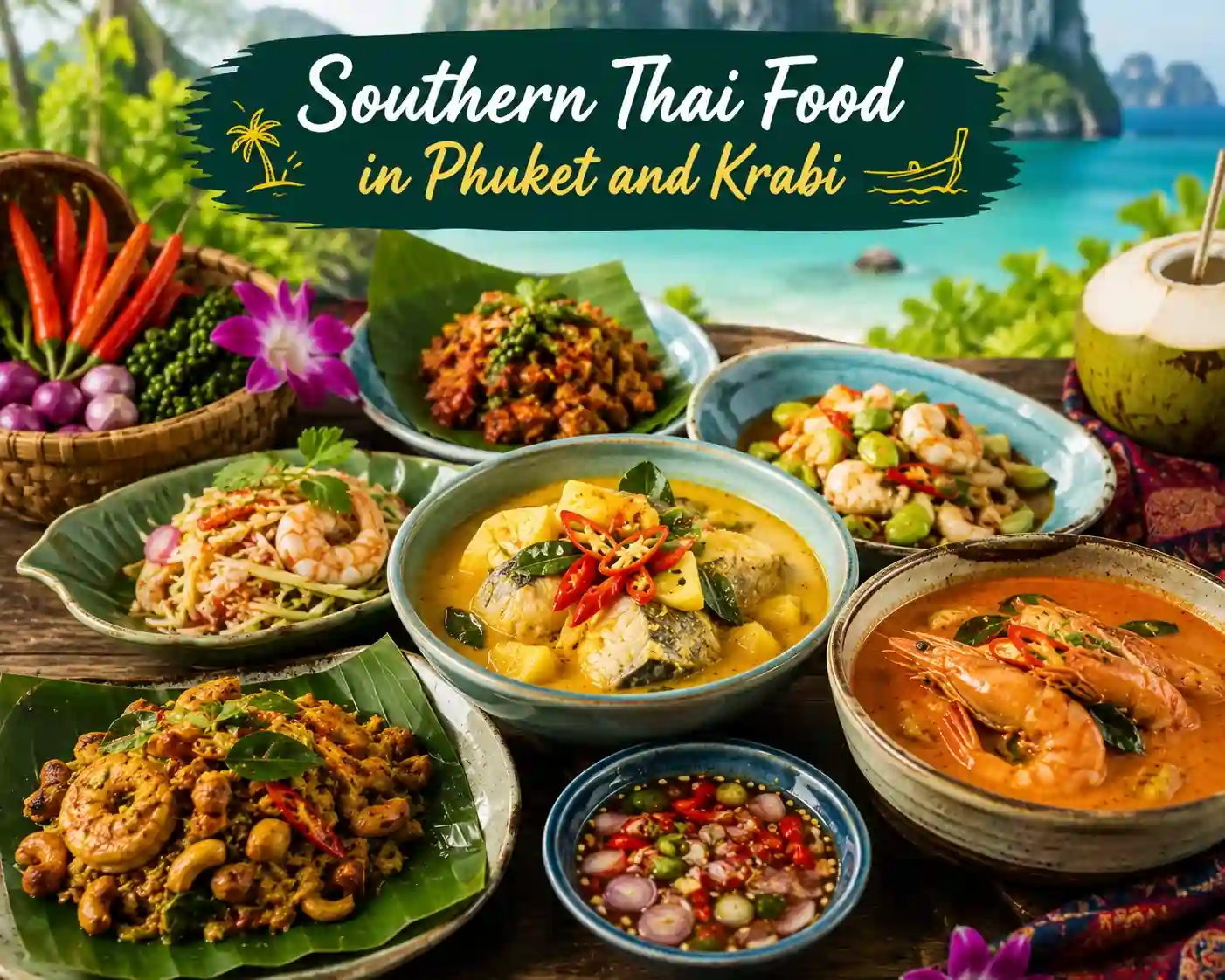
Southern Thai food tends to be spicier and bolder than food from other regions, often built around turmeric, fresh seafood, and strong chili pastes. Coconut milk appears frequently, but the flavors are typically sharper and more intense than central Thai versions.
Popular Southern Dishes
- Moo Hong – a sweet, slow-braised pork belly dish.
- Gaeng Som – a sour, tamarind-based curry, usually made with fish.
- Hokkien Mee – a noodle dish reflecting the region's Chinese influence.
- Fresh Seafood – grilled, steamed, or stir-fried depending on the catch of the day.
Seafood Specialties
Coastal towns near Phuket and Krabi are known for grilled fish, fresh prawns, and seafood curries prepared the same day the catch comes in, often at beachfront stalls and markets.
Local Food Markets
Local markets in Phuket and Krabi combine fresh seafood stalls with classic southern curries and snacks, giving travelers a chance to try several regional specialties without booking a formal restaurant.
Best Desserts & Drinks

Introduction
Thai desserts and drinks are just as varied as the savory side of the cuisine, ranging from coconut-based sweets to refreshing fruit-based beverages built for the heat.
Popular Thai Desserts
- Mango Sticky Rice – the most internationally famous Thai dessert.
- Tub Tim Grob – a colorful water chestnut dessert served in sweetened coconut milk.
- Coconut Ice Cream – often served in a coconut shell with toppings like peanuts or sticky rice.
- Khanom Buang – crispy Thai-style mini crepes with sweet or savory fillings.
Traditional Thai Drinks
- Thai Milk Tea – strong, sweet, and orange-colored, often served over ice.
- Fresh Coconut – served straight from the shell, especially popular in beach areas.
- Cha Yen – the iced version of traditional Thai tea.
- Fruit Shakes – blended fresh fruit drinks sold widely at markets and street stalls.
Seasonal Treats
Certain treats, especially fresh mango with sticky rice, are tied to seasonal fruit availability, so travelers visiting during mango season between March and June often find the best quality and pricing.
Vegetarian & Vegan Food
Introduction
Thailand is generally accommodating to travelers with dietary restrictions, though a little preparation goes a long way, especially outside major tourist areas.
Vegetarian Food in Thailand
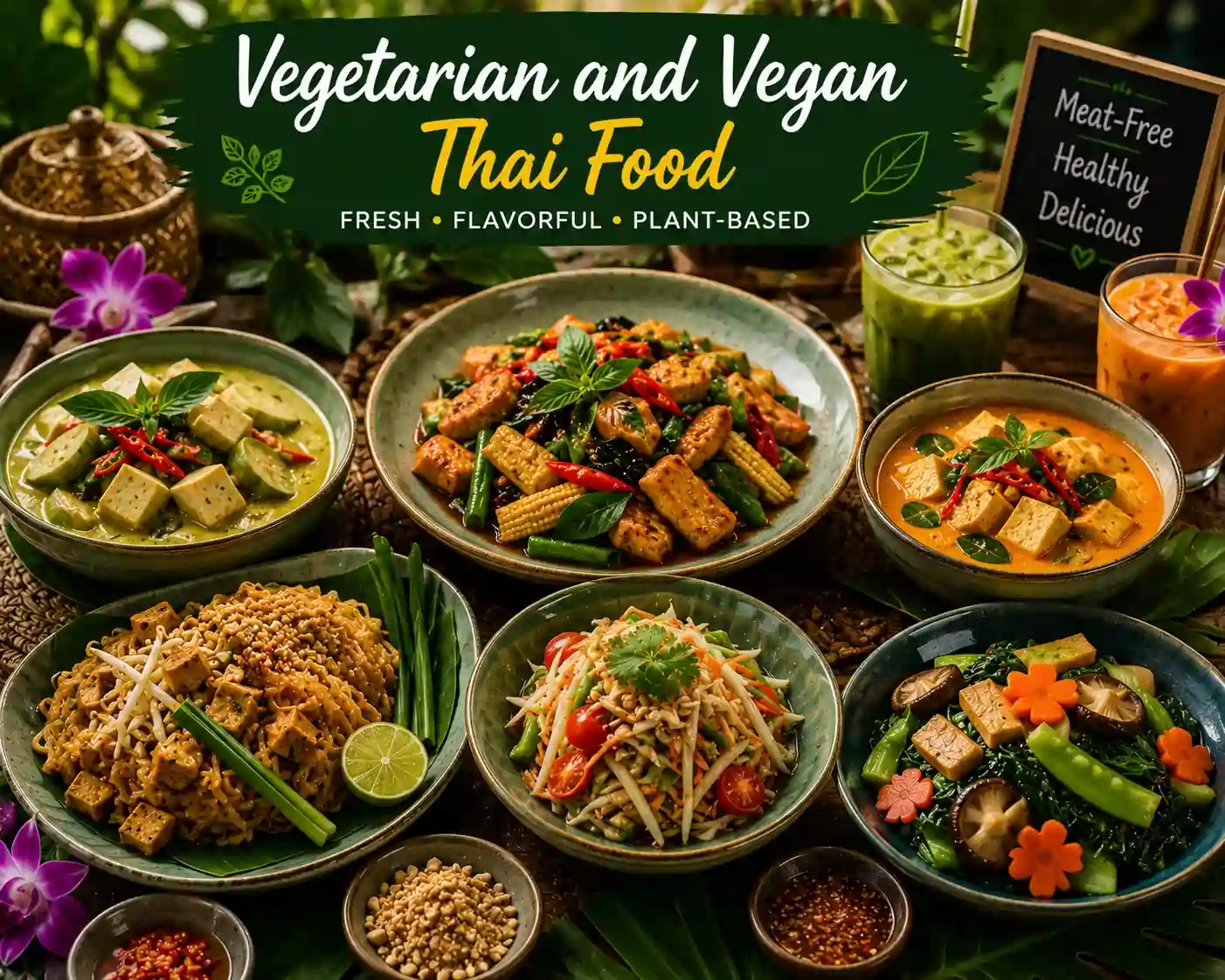
Vegetarian food is widely available in Thailand, particularly in tourist-heavy cities, where many restaurants offer dedicated vegetarian menus or can adjust dishes on request.
Vegan Travelers
Vegan travelers may need to be more specific when ordering, since fish sauce and shrimp paste are common in many dishes that otherwise appear vegetable-based. Asking directly about hidden animal-based ingredients is recommended.
Useful Thai Food Phrases
Learning a few basic phrases can make ordering food significantly easier, especially when requesting vegetarian or vegan options at smaller local stalls where English may be limited.
Common Ingredients to Watch For
- Fish Sauce – commonly used as a seasoning in many Thai dishes.
- Shrimp Paste – a traditional ingredient found in many curries and chili pastes.
- Oyster Sauce – frequently added to stir-fried dishes and sauces.
- Dried Shrimp – often mixed into salads, noodle dishes, and fried rice.
Travelers with dietary restrictions should watch for fish sauce, shrimp paste, oyster sauce, and dried shrimp, all of which appear frequently in dishes that might otherwise seem fully vegetarian or vegan.