
3 Day Chiang Mai Itinerary
Introduction
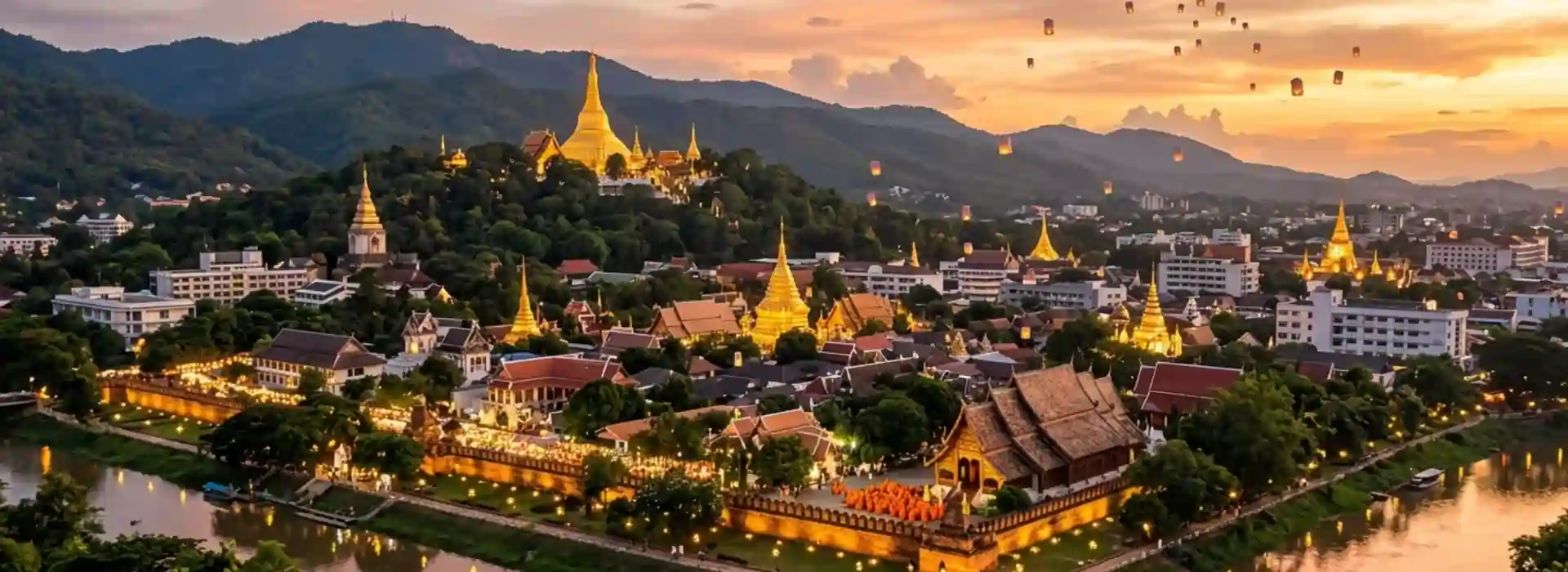
Chiang Mai is one of the most beautiful destinations in northern Thailand and a favorite stop for travelers exploring the country beyond Bangkok. Surrounded by mountains and forests, the city is known for its ancient temples, scenic landscapes, vibrant night markets, and rich cultural heritage.
Unlike the busy streets of Thailand’s capital, Chiang Mai offers a more relaxed atmosphere where visitors can explore historic temples, visit mountain viewpoints, and enjoy nature experiences just outside the city. For many travelers, 3 days in Chiang Mai is enough time to see the main highlights while still enjoying the region’s peaceful environment. This 3 day Chiang Mai itinerary is designed for first-time visitors and includes temple visits, mountain viewpoints, waterfalls, and local markets. By following this guide, travelers can experience the best of Chiang Mai’s culture, nature, and cuisine.
Overview of the 3 Day Chiang Mai Itinerary
This Chiang Mai itinerary 3 days focuses on the city’s most important attractions while allowing time to explore nearby nature.
Day 1 – Old City temples and markets
Day 2 – Doi Suthep and mountain viewpoints
Day 3 – Nature and waterfalls around Chiang Mai
The itinerary begins with exploring historic temples inside Chiang Mai’s Old City. The second day focuses on the famous Doi Suthep temple and scenic mountain viewpoints. The final day takes travelers outside the city to explore waterfalls and natural attractions.
This Chiang Mai travel itinerary balances cultural experiences with outdoor exploration, making it ideal for travelers who want to see both the historic and natural sides of northern Thailand.

Day 1 – Explore Chiang Mai Old City
The first day of your Chiang Mai trip plan 3 days focuses on exploring temples and markets in the historic Old City.
Chiang Mai was founded in 1296 as the capital of the ancient Lanna Kingdom. The Old City is surrounded by ancient walls and a moat, and many of the region’s most important temples are located within this area.
Wat Chedi Luang
Begin your day at Wat Chedi Luang, one of Chiang Mai’s most famous temples. The temple is known for its large ancient chedi (stupa), which was originally built in the 14th century.
Although part of the structure was damaged by an earthquake centuries ago, the remaining ruins still show the impressive scale of the original temple.
Wat Phra Singh
Next, visit Wat Phra Singh, one of the most important temples in Chiang Mai. The temple features classic Lanna-style architecture with detailed carvings and golden decorations.
Inside the temple complex is the Phra Singh Buddha image, which is highly respected by locals.
Wat Chiang Man
Another important temple in the Old City is Wat Chiang Man, the oldest temple in Chiang Mai. It was built during the founding of the city and contains ancient Buddha statues that are considered sacred by local residents.
Exploring these temples gives visitors a deeper understanding of Chiang Mai’s history and religious traditions.
Evening – Chiang Mai Night Bazaar
In the evening, visit the Chiang Mai Night Bazaar, one of the most famous markets in northern Thailand. The market features hundreds of stalls selling handicrafts, clothing, souvenirs, and street food.
Another option is the Sunday Walking Street Market, which transforms the Old City into a lively market filled with local food vendors and handmade products.
Exploring these markets is one of the most enjoyable things to do in Chiang Mai in 3 days.

Day 2 – Doi Suthep and Mountain Views
The second day of your Chiang Mai itinerary 3 days focuses on mountain scenery and one of the most important temples in northern Thailand.
Wat Phra That Doi Suthep
Located on a mountain overlooking Chiang Mai, Wat Phra That Doi Suthep is one of the most famous temples in Thailand. The temple sits about 15 kilometers from the city center and offers breathtaking views of the surrounding valley.
Visitors must climb a staircase of more than 300 steps to reach the temple, although a cable car is also available.
The golden chedi at the center of the temple complex is an important pilgrimage site for Thai Buddhists and is believed to contain sacred relics of the Buddha.
Doi Suthep Viewpoint
Near the temple, several viewpoints provide panoramic views of Chiang Mai and the surrounding countryside. On clear days, visitors can see the entire city from the mountain.
Mon Jam Mountain Viewpoint
After visiting Doi Suthep, continue to Mon Jam, a scenic mountain viewpoint located about an hour from Chiang Mai.
Mon Jam is known for its cool climate, beautiful mountain scenery, and peaceful atmosphere. Small cafés and restaurants allow visitors to relax while enjoying views of rolling hills and valleys.
The mountain landscapes around Chiang Mai offer a refreshing contrast to the busy city below.

Day 3 – Nature Around Chiang Mai
The final day of your Chiang Mai travel itinerary focuses on exploring nature around the city.
Doi Inthanon National Park
One of the most popular day trips from Chiang Mai is visiting Doi Inthanon National Park, home to Thailand’s highest mountain.
The park features waterfalls, hiking trails, mountain viewpoints, and lush forests. Visitors can explore several natural attractions within the park.
Wachirathan Waterfall
One of the most impressive waterfalls in the park is Wachirathan Waterfall, which cascades dramatically down a tall cliff surrounded by jungle.
The powerful waterfall creates a cool mist that makes the area refreshing even during warm weather.
Mae Klang Waterfall
Another scenic spot in the park is Mae Klang Waterfall, located near the park entrance. The waterfall flows over large rocks and is surrounded by forest trails.
Visitors can walk along short paths and enjoy the peaceful natural environment.
Exploring Doi Inthanon offers a memorable nature experience and shows a different side of northern Thailand.
Best Areas to Stay in Chiang Mai
Choosing the right neighborhood can improve your travel experience during 3 days in Chiang Mai.
Old City
The Old City is one of the best areas for first-time visitors. Many temples, markets, and restaurants are located within walking distance.
Nimmanhaemin
Nimmanhaemin is a modern neighborhood known for trendy cafés, boutique hotels, and art galleries. The area is popular with younger travelers and digital nomads.
Night Bazaar Area
The Night Bazaar district offers convenient access to shopping, restaurants, and nightlife. Many hotels are located in this area.
Each neighborhood offers a different atmosphere, so travelers can choose based on their preferences.
How to Get Around Chiang Mai
Transportation in Chiang Mai is relatively easy compared to larger cities like Bangkok.
Songthaews
Songthaews are shared red trucks that operate as taxis throughout the city. They are one of the most common ways to travel around Chiang Mai.
Grab Taxis
Ride-hailing apps such as Grab are widely available and provide convenient transportation.
Scooter Rentals
Many travelers rent scooters to explore Chiang Mai and nearby attractions. This option provides flexibility for visiting viewpoints and waterfalls outside the city.
Overall, Chiang Mai is a compact city, and most attractions are easy to reach.
For more information about traveling between destinations by train, bus, domestic flight, and local transport, read our Thailand Transportation Guide.
Estimated Cost for 3 Days in Chiang Mai
The cost of 3 days in Chiang Mai varies depending on accommodation and activities.
Budget travelers may spend around ฿1,200–2,000 per day, while mid-range travelers may spend ฿2,500–4,500 per day.
Typical expenses include:
Accommodation
Budget hotels start around ฿600–1,000 per night, while mid-range hotels cost ฿1,800–3,000.
Food
Local meals usually cost ฿50–120 , while restaurant meals may cost ฿150–300 .
Transport
Short rides in songthaews or taxis typically cost ฿40–150 .
Temple entrance fees
Some temples have small entrance fees for visitors.
Overall, Chiang Mai is considered one of the more affordable destinations in Thailand.
If you're planning an affordable trip across the country, our Thailand Budget Travel Guide explains realistic daily expenses, accommodation options, and money-saving tips.
Travel Tips for Visiting Chiang Mai
Here are some helpful tips for travelers exploring Chiang Mai.
Start temple visits early in the morning to avoid crowds and heat.
Carry light clothing suitable for warm weather, especially during the hot season. If you're planning your trip around the seasons, our Best Time to Visit Thailand guide explains monthly weather patterns across the country.
Respect temple dress codes by wearing clothing that covers shoulders and knees.
Try local northern Thai dishes such as khao soi, a popular noodle curry unique to the region. Want to discover more regional dishes? Our Thailand Food Guide covers Thailand's most popular local specialties and street food.
If visiting mountain areas, bring a light jacket because temperatures may be cooler than in the city.
For more practical advice on transportation, local customs, money, and everyday travel throughout the country, read our Thailand Travel Tips.
3 Day Chiang Mai Itinerary FAQ
Is 3 days enough for Chiang Mai?
Yes, 3 days in Chiang Mai is enough to explore major temples, mountain viewpoints, and nearby nature attractions.
What are the must-see attractions in Chiang Mai?
Popular attractions include Wat Phra That Doi Suthep, Wat Chedi Luang, Doi Inthanon National Park, and the Chiang Mai Night Bazaar.
How much does a 3 day Chiang Mai trip cost?
A mid-range trip usually costs around ฿6,000–10,000 per person excluding international flights.
What is the best time to visit Chiang Mai?
The best time to visit Chiang Mai is between November and February, when the weather is cooler and ideal for sightseeing and outdoor activities.
Continue Planning Your Thailand Adventure
Chiang Mai is one of northern Thailand's most captivating destinations, famous for its ancient temples, mountain scenery, vibrant night markets, and relaxed atmosphere. Many travelers combine Chiang Mai with Bangkok, Phuket, Pai, or Chiang Rai to experience Thailand's incredible diversity in a single trip.
Explore the guides below to plan longer itineraries, discover more destinations, and prepare for an unforgettable journey across Thailand.