PathRoamer

Explore smarter travel guides, itineraries, and trip planning tools.
unique places in thailand

Unique Places to Visit in Thailand

Thailand has more range than most itineraries suggest. A mountain town in a northern valley where the temperature drops at night. A river province two hours from the capital with a history that most visitors never reach. A small Gulf island whose identity is built entirely around what lies below the water. An ancient capital that has been a ruin for longer than most countries have existed.

Most visitors land in Bangkok, fly to Phuket, and come home believing they have seen the country. They have seen a corner of it. Travelers looking for even more unusual experiences can explore these secret places in Thailand. The places in this guide are not obscure or difficult. They are simply a different side of Thailand, and a distinct one.

This guide is written for repeat visitors who want to go deeper, slow travelers who prefer fewer places and more time, nature lovers drawn to highland and marine terrain, photographers looking for compositions that have not appeared on every travel blog, and digital nomads searching for somewhere with the right balance of calm and connection.

Why These Destinations Deserve a Place on Any Itinerary

Thailand's Most Visited Destinations

The four destinations that dominate most Thailand itineraries are Bangkok, Phuket, Pattaya, and Chiang Mai. Each one earns its place, and none of them should be skipped by a first-time visitor. The issue is not that they are overrated. The issue is that they represent one version of Thailand, and that version has a clear shape: a capital city, a major beach island, a resort town, a northern city. The country's actual range extends considerably further in every direction.

What Gets Left Out

The gaps are not about missing attractions. They are about missing registers. Smaller towns carry a daily rhythm that tourist infrastructure does not produce and cannot imitate. Provincial culture in places that were never organized around visitors operates differently, and that difference is not something you can access by spending more time in a major city.

The quieter islands still feel like islands in a way that the most developed ones no longer do. The highland north has a physical character that the coast cannot replicate. The historical sites outside the main tourist circuit ask for a different kind of attention, one that a busy temple circuit rarely leaves room for. These are not better or worse experiences. They are different ones, and most itineraries leave no space for them.

Who This Guide Is For

This kind of travel rewards travelers who are willing to engage with a destination on its own terms rather than on the terms set for visitors. Repeat visitors often find these destinations refreshingly different. Slow travelers will appreciate that Pai, Koh Phangan, and Kanchanaburi all reward longer stays. Nature lovers will find highland, marine, and jungle environments that the standard itinerary does not reach. Photographers will encounter compositions that have not been filtered and reposted ten thousand times. Digital nomads will discover that good cafés and reliable connectivity exist in places most travelers never look for them.

Pai

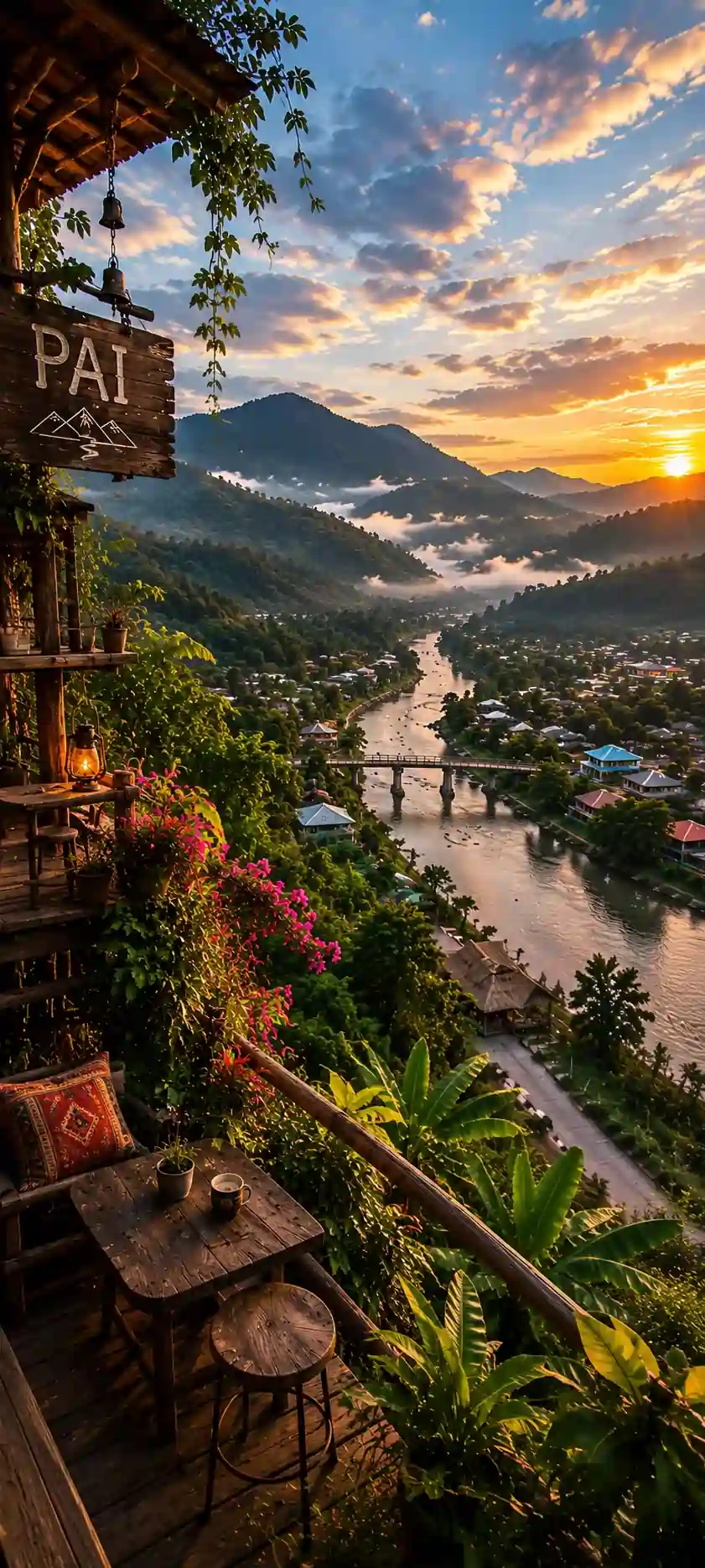
Pai Thailand Mountain Valley

Why Pai Feels Different From the Rest of Thailand

Most of Thailand's popular destinations are defined by what they offer: temples, beaches, nightlife, markets. Pai is defined by what it does not have. There is no main event. There is no checklist that signals you are done and can leave. The town exists in a mountain valley that takes deliberate effort to reach, and that effort filters who arrives and how long they stay.

The result is a place that operates on its own terms. Visitors tend to slow down not because they are told to, but because the rhythm of Pai does not support rushing. The mornings are cooler than anywhere on the Thai coast. The evenings can be genuinely cold in December and January. The landscape requires different clothes, a different pace, and a different kind of attention.

That physical difference is what separates Pai from other destinations in northern Thailand and from the country more broadly. The mountain lifestyle it offers is not performed for tourists. It is simply the way a small town in a river valley at altitude goes about its day.

Why Pai Suits Long Stays

Pai is one of the few places in Thailand where staying two weeks does not feel excessive. The town earns repeat exploration slowly. The surroundings reveal themselves gradually. The cost of living is low enough that extending a stay is rarely a financial decision. Digital nomads and slow travelers have recognized this for years, and the infrastructure around longer visits, from monthly guesthouse rates to café culture built around working, reflects it.

Solo travelers who arrive expecting to stay three nights regularly leave having stayed ten. Couples find it easier to be present here than in places that require constant decisions about what to do next. The town asks very little and gives back proportionally to how much time you invest.

Things to Know Before You Go

The road from Chiang Mai involves over 700 curves through mountain terrain. Travelers prone to motion sickness should plan accordingly. Nightlife is minimal. Anyone expecting the social energy of Chiang Mai will find Pai quiet to the point of stillness. That is the appeal for the right traveler and a disappointment for the wrong one.

Between June and October the valley is at its most lush but the road can be difficult, and some accommodation closes for the slow season.

Why Pai Is Not Simply a Smaller Chiang Mai

Chiang Mai is a functioning city with a culinary scene, universities, museums, and the infrastructure to absorb large numbers of visitors without losing its character. It rewards short stays and long ones equally, because there is always something structured to do.

Pai has none of that structure. What it has instead is a setting that Chiang Mai, sitting in a broader, flatter valley, cannot replicate. The intimacy of a small town ringed by hills, where the population is a few thousand rather than a few hundred thousand, produces a quality of quiet that no city achieves. For travelers who have done Chiang Mai and want what comes after it, Pai is a genuine answer.

For more on planning a stay, see the Pai Travel Guide.

Kanchanaburi
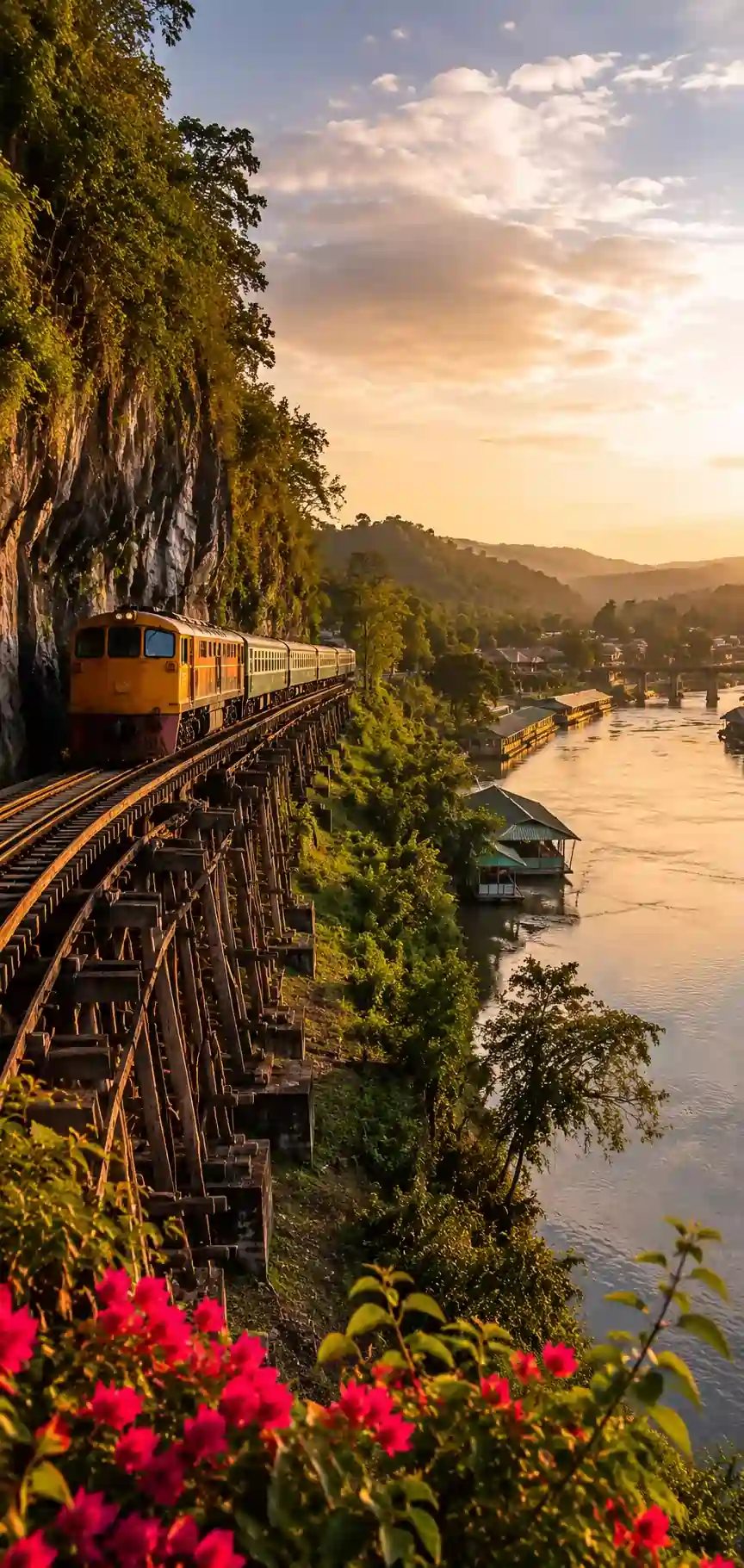
Kanchanaburi River Kwai Thailand

Why Kanchanaburi Stands Out

Kanchanaburi is two hours west of Bangkok by road or rail, and most visitors who go there are drawn by the history of the Death Railway and the Bridge on the River Kwai. That history is real, serious, and thoughtfully preserved. The JEATH War Museum and the Allied War Cemetery are among the most sobering sites in the country.

But the province around Kanchanaburi tells a quieter story as well. The Kwai Noi and Kwai Yai rivers run through a countryside of limestone hills, forests, and farmland that feels surprisingly remote given its proximity to the capital. Raft houses on the river have been a tradition here for decades, and staying on the water overnight is an experience that has no equivalent in Bangkok or on the islands.

Who Should Visit

History enthusiasts will find Kanchanaburi more substantial than it first appears. The wartime narrative is layered and international, and the town has made serious effort to present it accurately.

Families traveling with older children or teenagers may find the historical sites more meaningful here than anywhere else in the country.

Nature travelers who want to get into the countryside without committing to a long journey will appreciate that the national parks of the region are accessible without specialist equipment or guides.

What Makes It Different From Bangkok

The contrast with Bangkok is almost jarring. Kanchanaburi has no rooftop bars, no luxury malls, and no eight-lane traffic.

It is a provincial town with a riverside promenade, market streets, and guesthouses that look out over the water. For travelers who have spent several days in the capital, the shift in atmosphere is significant and immediate.

Ideal Length of Stay

One night is enough to see the main historical sites and cross the famous bridge.

Two nights allows you to take a slow boat trip, visit a waterfall, or travel further into the province.

Three nights suits travelers who want to combine history with nature without rushing.

For planning details, see the Kanchanaburi Travel Guide.

Koh Tao
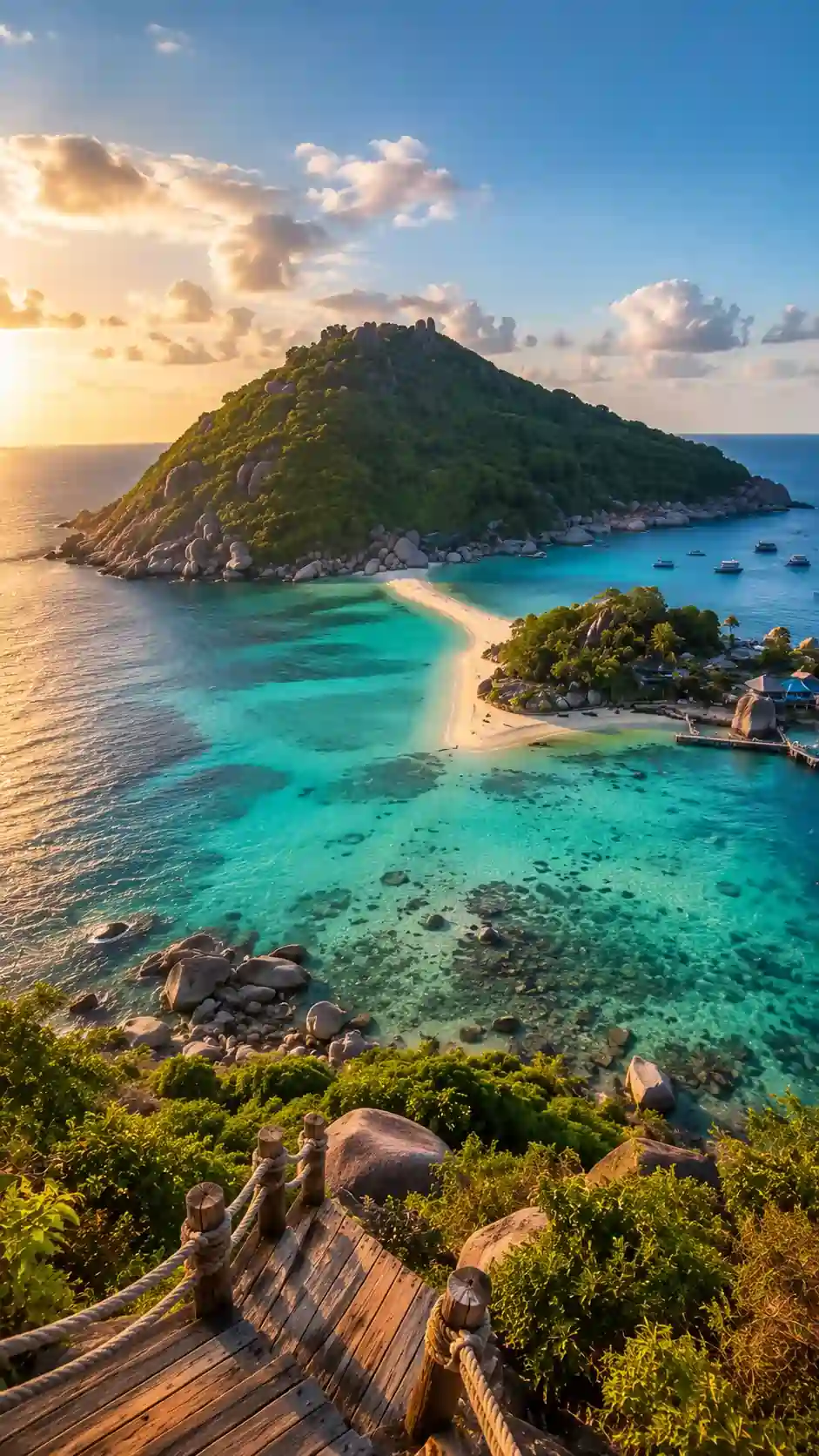
Koh Tao Thailand Diving Island

Why Travelers Choose Koh Tao

Koh Tao is one of the best places in the world to learn to dive. That is not a marketing claim; it is the reason most people go. The island built its identity around diving instruction, and the density of dive schools, the variety of sites, and the quality of instruction at almost every price point is exceptional. Certified divers will find the reefs and marine life consistently rewarding.

But Koh Tao is not only a diving destination. The island is small enough to explore by scooter in an afternoon. The accommodation scene leans toward relaxed and independent rather than corporate resort. Beaches are quieter than Koh Samui. The food scene around Sairee village has improved markedly in recent years without becoming expensive.

Who Should Visit

Divers and those learning to dive will find Koh Tao optimal. Backpackers appreciate the pricing and the social atmosphere around the main strip. Couples looking for a low-key island stay without the nightlife intensity of other destinations tend to be quietly satisfied here.

What Kind of Island Koh Tao Actually Is

Koh Tao is accessible only by ferry. Its infrastructure is basic. The accommodation scene is independent rather than resort-scale. The beaches are smaller and quieter than those on the larger Gulf islands.

None of this is accidental. The island's identity was built around diving, and that purpose has kept it from developing in directions that would dilute what makes it worthwhile.

Travelers who want an island that feels like one, rather than a resort complex that happens to be surrounded by water, will recognize what Koh Tao is offering immediately.

For planning, see the Koh Tao Travel Guide.

Koh Phangan
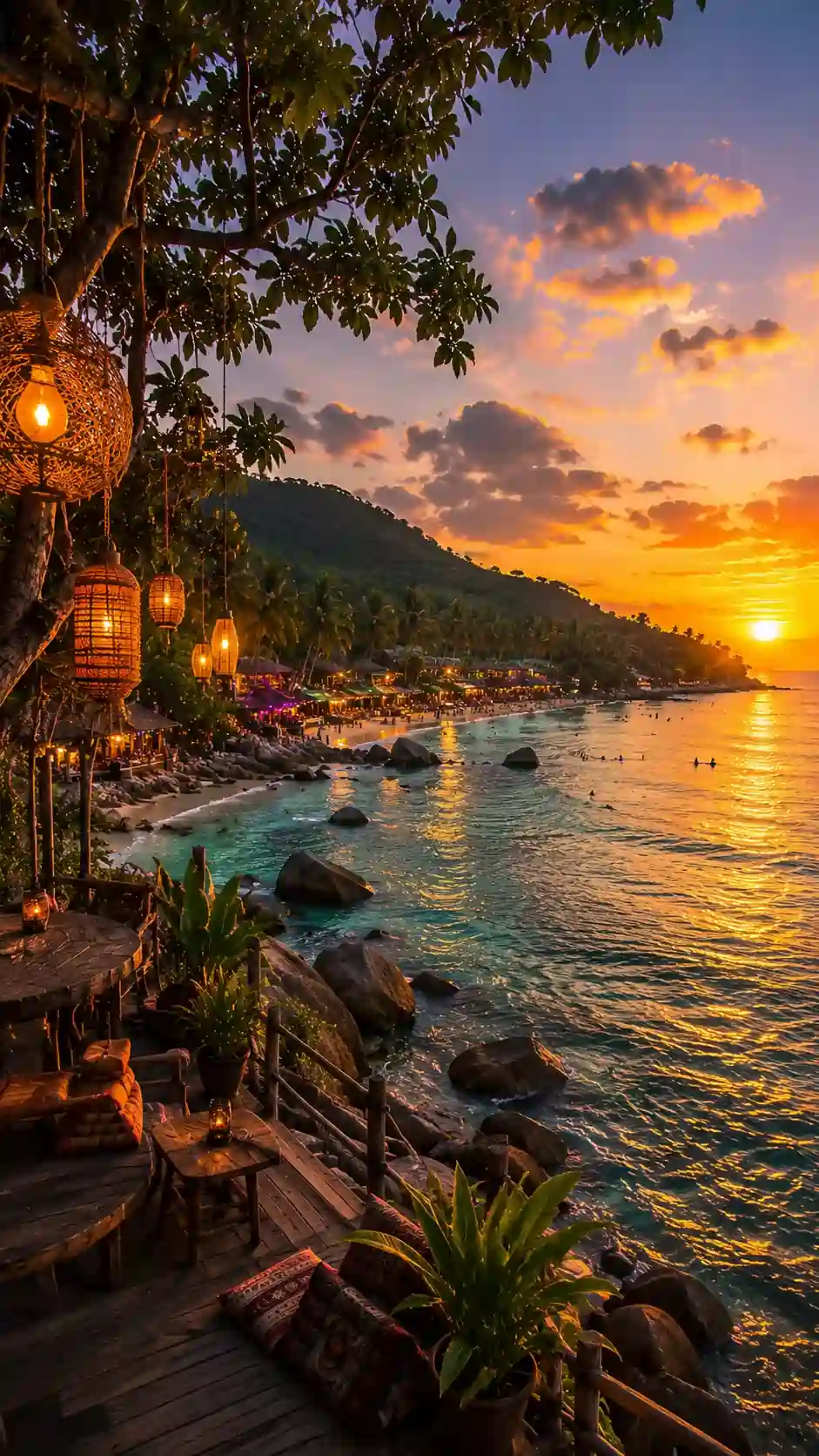
Koh Phangan Thailand Beach and Wellness

Beyond the Full Moon Party

Koh Phangan is widely associated with the Full Moon Party, and that association is not inaccurate. The party happens. It is large. If that is what you want, you will find it.

The misconception is that the Full Moon Party is Koh Phangan. It takes place on one beach, Hat Rin, on one night each month. The rest of the island has a different character entirely, one that is increasingly defined by wellness, long stays, and a beach landscape that receives far fewer visitors than it deserves.

What Makes Koh Phangan Unique

The northern and western coasts of the island are noticeably quiet. Beaches like Haad Yao and Haad Salad have the clear water and white sand that draw people to Thailand, with a fraction of the foot traffic.

The wellness economy here is substantial; yoga retreats, detox centers, and meditation programs have made Koh Phangan one of the more credible wellness destinations in Southeast Asia.

Long-stay travelers have established a community on the island that keeps accommodation and food costs lower than comparable islands. The social infrastructure around slow travel, including co-working and community events that have nothing to do with parties, is quietly impressive.

Who Should Visit

Travelers who want a beach destination with a wellness or retreat dimension will find Koh Phangan well-suited to that purpose.

Those who want a lively social scene without the full resort intensity of Koh Samui will find the balance reasonable.

Slow travelers and those on working holidays have been choosing Koh Phangan for years.

Who May Prefer Another Island

Travelers seeking luxury resort experiences, families with young children, or those who find the Full Moon Party context off-putting regardless of timing may feel more comfortable on Koh Samui's quieter northern coast, or further afield on Koh Lanta.

For planning details, see the Koh Phangan Travel Guide.

Ayutthaya
Ayutthaya Historical Park Thailand

A Different Kind of Cultural Experience

Bangkok is the obvious starting point for Thai culture, and it delivers. The temples are immaculate, the museums are well-curated, and the energy of the city makes everything feel alive and immediate. But Bangkok's cultural sites sit inside a living, growing metropolis. They are maintained, active, and surrounded by modernity on every side.

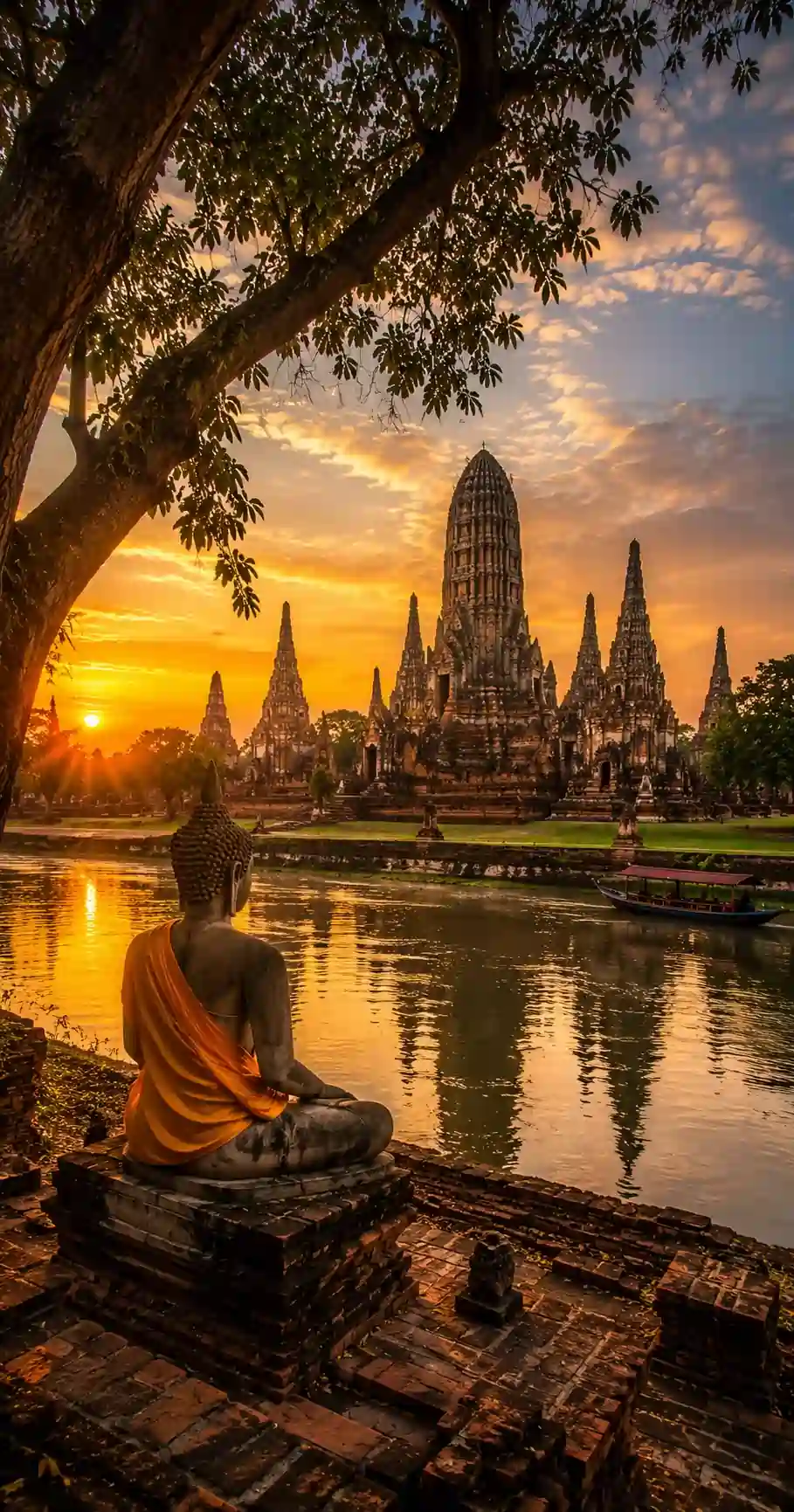
Ayutthaya is the counterpoint. What remains of the former capital is not a restored heritage site embedded in a modern city. It is a landscape of ruins spread across a river island where history was interrupted and never resumed. The contrast is not architectural; it is experiential. Bangkok asks you to look up at temples that are still in use. Ayutthaya asks you to stand inside something that ended.

That shift in register is why travelers who have spent several days in Bangkok often find Ayutthaya unexpectedly affecting. The scale of what once existed here, and the silence of what remains, produces a different kind of engagement with Thai history than any working temple in the capital.

Who Responds Most Strongly to Ayutthaya

Travelers with a genuine interest in Thai or Southeast Asian history will find the most here. The site rewards some prior context; arriving with a basic understanding of the Ayutthaya Kingdom and how it ended makes the physical remains considerably more meaningful.

Those who found Bangkok's temples visually impressive but wished for more depth will find Ayutthaya supplies it. The site is also quieter and less commercially oriented than the major Bangkok temple circuit, which suits travelers who want contemplation over performance.

Families with older children who want history to feel real rather than textbook will find the scale and atmosphere of the ruins more evocative than most museum-based experiences.

Day Trip or Overnight Stay?

A day trip covers the primary sites without difficulty and is the right choice for travelers with limited time. The journey from Bangkok by train takes around ninety minutes and adds its own character to the visit.

An overnight stay changes the experience significantly. The ruins at dusk, when most day-trip crowds have left, have an atmosphere that photographs cannot convey. Cycling between temple complexes at your own pace rather than moving with a group is a different kind of visit. The town has a local restaurant and guesthouse scene that rewards an evening of slower exploration.

For travelers who want Ayutthaya to be more than a day trip box checked, staying one night earns the version of the place that most visitors never see.

For more, see the Ayutthaya Travel Guide.

Hua Hin
Hua Hin Beach Thailand

Why International Tourists Skip It

Hua Hin has a reputation problem, and the problem is that it has the wrong reputation among the wrong audience. International visitors scanning travel blogs for Thailand beach recommendations encounter the same names repeatedly: Phuket, Krabi, Koh Samui. Hua Hin rarely makes that list, because the travelers writing those recommendations are not the ones who go there.

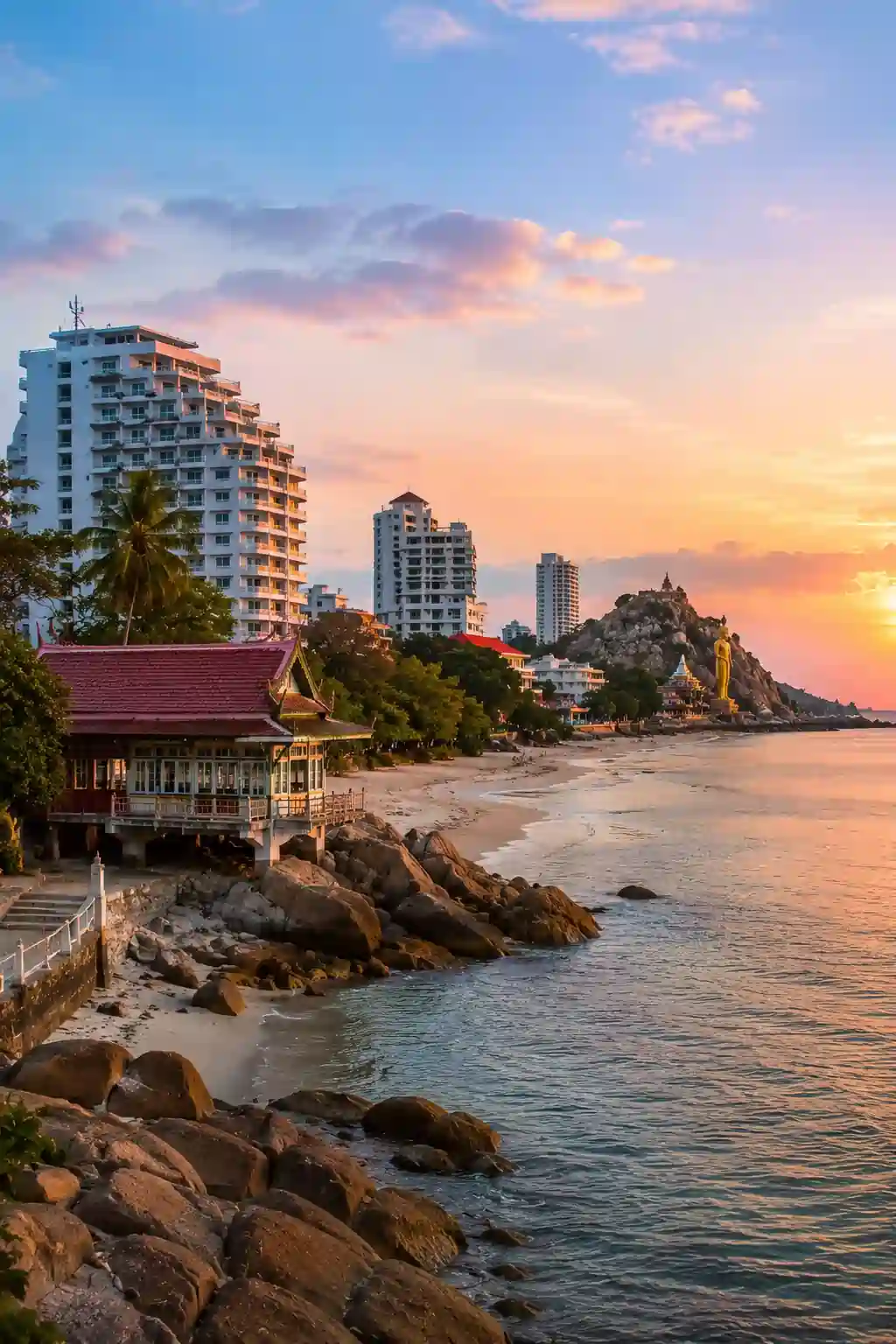
Hua Hin's core audience is Thai. Bangkok families drive down for long weekends. Expat retirees have settled in the surrounding areas for decades. The Thai royal family has maintained a summer residence here since the early twentieth century. The town has been a domestic beach destination for generations, and it has never needed to market itself internationally to stay full.

That domestic orientation is precisely what international travelers who eventually find their way here tend to appreciate most. The town was not designed for them, which means it was not designed around them. The restaurants price for local customers. The market sells to local buyers. The pace is set by people who come back every year rather than people experiencing Thailand for the first time.

Who Should Choose Hua Hin Instead of Phuket

The right question is not whether Hua Hin is better than Phuket. It is whether Phuket is what you actually want. Phuket offers more of everything: more nightlife, more resorts, more international restaurants, more organized day trips, more infrastructure for visitors who want the trip managed for them.

Hua Hin offers less of all of that. What it offers in return is a beach town that functions as a place rather than a product. Travelers who have already done Phuket and found it slightly exhausting will recognize the difference immediately. Those who want rest over entertainment, local seafood over international menus, and a promenade that feels like it belongs to the town rather than the visitor economy will find Hua Hin a more straightforwardly relaxing choice.

It is also significantly closer to Bangkok, which makes it a practical option for travelers whose base is the capital and who want two or three nights by the sea without a flight.

The Weekend Culture That Defines It

The rhythm of Hua Hin is shaped by the Bangkok weekend. Friday evenings bring an influx of Thai families and couples driving south. By Monday morning the town has exhaled.

Visiting midweek captures a version of Hua Hin that is noticeably quieter, cheaper, and more local in character than the weekend version. Traveling on the weekend itself gives a livelier, more social atmosphere without the intensity of a resort destination in peak season.

Neither version is wrong. But understanding that Hua Hin has this rhythm helps calibrate expectations in a way that most international travel coverage does not bother to explain.

For planning details, see the Hua Hin Travel Guide.

Koh Samui Hidden Areas

Hidden Areas of Koh Samui Thailand

Beyond Chaweng and Lamai

Koh Samui is worth visiting, and the Koh Samui Travel Guide covers how. What is worth noting here is that the island is larger and more varied than the concentration of resorts around Chaweng and Lamai suggests. Most visitors never leave the eastern coast. The areas they miss are some of the island's best.

Lesser-Known Parts of Koh Samui

The northern coast around Bang Po and Mae Nam has beaches that are wider and quieter than Chaweng, with accommodation that tends toward boutique rather than resort-scale.

The sunset views from the western coast are among the best on the island. The interior, which most visitors only see from a taxi window, has coconut plantations, small temples, and viewpoints that require minimal effort to reach.

Local villages in the interior and on the less-developed coasts still operate as communities rather than service zones. The experience of stopping for lunch at a roadside restaurant that does not have an English menu is quite different from the curated beach club version of Koh Samui that dominates first impressions.

Who Will Enjoy These Areas

Travelers who are already on Koh Samui and want more than the beach circuit will find these areas accessible and rewarding.

Those returning to the island on a second visit will find exploring the quieter coasts and interior a genuine contrast to the first trip.

When Hidden Areas Make More Sense Than Tourist Zones

In peak season, when Chaweng and Lamai are at maximum capacity, the quieter coasts absorb significantly less pressure.

Accommodation is cheaper, sunbeds are uncontested, and the island shows a side of itself that justifies the price of the flight without requiring any additional transport budget.

Nature Experiences You Cannot Easily Find Elsewhere

Thailand's nature tends to be underestimated by travelers who come for the beaches and temples. The country has mountain terrain, river systems, jungle environments, and marine ecosystems that rival anything in the region. These destinations access that nature in ways that the standard tourist route does not.

Why Pai Feels Different From Thailand's Beaches

Pai's natural environment operates on different terms to everything else in this guide. The landscape is vertical rather than horizontal. The climate is cooler. The light changes differently in a valley than it does on an open coast. Travelers who have spent time on Thai beaches and want to understand what the rest of the country's geography looks like will find that Pai answers that question in a way that no other destination here does. The highland north is a distinct physical world, and Pai is its most accessible entry point.

Why Koh Tao Is Defined By The Water

Most islands offer the sea as a backdrop. Koh Tao is organized around it. The reef systems, the dive sites, and the marine life are not incidental to the island's character; they are its character. The island exists in its current form because of what is below the surface, and that clarity of purpose gives Koh Tao a focus that more developed islands, offering a wider range of things to do above the waterline, cannot replicate. For travelers whose interest in Thailand includes what lies beneath it, this island is not interchangeable with others.

Why Koh Phangan Rewards Slower Travel

Koh Phangan's natural environment is not concentrated in one place. The quieter coasts, the interior, and the viewpoints that reward walking rather than booking reveal themselves gradually. An island that is explored over several days rather than photographed in an afternoon has a different relationship with the traveler passing through it. The nature here is accessible precisely because most visitors do not look for it, which means the coastline, the forest paths, and the elevated views remain at a scale that feels personal rather than managed.

Why Kanchanaburi Shows Rural Thailand

The rivers and forests around Kanchanaburi represent a version of Thailand that does not feature in most travel itineraries: interior countryside, agricultural land, national park forest, and river systems that have shaped a region's identity over generations. This is not a nature reserve built for visitors. It is the landscape that the province has always had. Spending time in it produces a different understanding of what Thailand actually looks like beyond the coasts and cities, and that understanding is difficult to arrive at from anywhere else in this guide.

Destination Nature Type Best Suited To
Pai Highland valley, mountain terrain Those wanting altitude and cool climate
Koh Tao Gulf reef systems, marine life Divers, snorkelers, underwater interest
Kanchanaburi River valley, national park forest Countryside, history combined with nature
Koh Phangan Quiet coastline, inland forest Slow island exploration away from crowds

Cultural Experiences You Cannot Find on the Standard Route

Thailand's cultural depth extends well beyond what the most-visited destinations show. These places access different dimensions of Thai history, rural life, and regional identity, each one producing a cultural experience that a standard itinerary does not replicate.

Thailand's Lost Capital

Ayutthaya offers the most direct encounter with the weight of Thai history available as a short trip from central Thailand. The experience it produces is not the same as visiting a temple. It is the experience of standing inside a civilization that ended, at a scale that most visitors do not expect. Travelers who want Thai history to feel consequential rather than decorative will find Ayutthaya delivers that in a way that no active temple site manages. Those who found the major Bangkok temple circuit visually impressive but wished for more depth will find Ayutthaya supplies it. The site is quieter and less commercially oriented, which suits travelers who want contemplation over performance. Families with older children who want history to feel real rather than textbook will find the scale and atmosphere more evocative than most museum-based experiences.

Provincial Thailand Beyond the Tourist Circuit

Kanchanaburi is where the country's provincial character becomes tangible. The town exists on its own terms, shaped by a river, a history, and a local economy that has not been reorganized around tourism. The cultural experience here is less about sites and more about register: the pace of a Thai provincial town, the way a market functions when it is for local buyers, and the relationship between a community and a landscape that has defined it for generations.

Northern Thailand at Small-Town Scale

Pai's cultural distinctiveness comes from scale and separation. Northern Thailand has its own culinary traditions, craft culture, and social character that differ meaningfully from the central plains. Chiang Mai provides an accessible introduction to all of this. Pai provides something smaller and less produced: a northern Thai community that has absorbed international influence without being transformed by it. The cultural experience available here is found in the daily life of the town rather than in any specific attraction.

Cultural Experience Best Destination What It Offers
Historical depth Ayutthaya The weight of a great civilization's end
Rural Thai character Kanchanaburi Provincial life on its own terms
Northern Thai culture Pai Regional identity at an intimate scale
History combined with nature Kanchanaburi The full spectrum of provincial Thailand
```

Travel Tips

Choosing the Right Destination

Start with what you want the trip to feel like rather than what you want to tick off. Pai rewards travelers who want to slow down. Koh Tao rewards those with an activity in mind. Ayutthaya and Kanchanaburi reward those with a genuine interest in history. Hua Hin rewards those who want to rest. Matching expectation to destination saves more trips than any amount of planning.

Before you travel, use our Thailand Packing List to make sure you have the right clothing, documents, and travel essentials.

Combining Unique Destinations With Popular Places

Most of these destinations work well as additions to a standard Bangkok-Phuket itinerary rather than replacements. Ayutthaya slots naturally into a Bangkok stay as a day trip or overnight. Kanchanaburi can be reached from Bangkok without backtracking. Pai is an extension of a Chiang Mai visit. Koh Tao and Koh Phangan are on the same ferry route as Koh Samui, which makes island-combining straightforward.

For detailed information about domestic flights, trains, buses, ferries, and getting around the country, read our Thailand Transportation Guide.

How Much Time to Allocate

One to two days suits Ayutthaya and Kanchanaburi if the itinerary is tight. Three to five days is a reasonable minimum for Pai, Koh Tao, or Koh Phangan if you want to actually settle in rather than just pass through. Hua Hin works well as a two-to-three day addition to a Bangkok stay. The hidden areas of Koh Samui are best explored during an existing stay on the island rather than as a standalone trip.

Best Time of Year to Visit

The November to February dry season is the best time for nearly all of these destinations. The major exceptions are the Gulf coast islands, including Koh Tao and Koh Phangan, which face rough seas from October through December on their eastern coasts but are accessible year-round on the western side. Pai and Kanchanaburi are at their greenest during the wet season (June to October), but road conditions in the north can be challenging.

Common Mistakes Travelers Make

The most common error is treating these destinations as bucket-list items to photograph and move on from. Pai visited in a single day barely registers. Kanchanaburi seen only from a tour bus loses its most important quality, which is stillness. Koh Tao without diving is a nice beach at best. These places reward investment. Give them time.

For practical advice on transportation, local customs, scams, money, and everyday travel, see our Thailand Travel Tips.

FAQ

What are the most unique places to visit in Thailand?

Pai, Kanchanaburi, Koh Tao, Koh Phangan, and Ayutthaya consistently stand out for travelers looking beyond the main tourist circuit. Each one has a distinct character that the standard Bangkok-Phuket route does not cover.

Is Pai worth visiting?

Yes, for the right traveler. Pai suits those who want mountain scenery, a relaxed atmosphere, and a break from crowded tourist infrastructure. It does not suit those seeking nightlife, luxury, or a packed schedule of major attractions.

Is Koh Tao better than Koh Samui?

They serve different purposes. Koh Samui is larger, more developed, and better suited to travelers who want resort infrastructure and variety. Koh Tao is smaller, quieter, and far superior for anyone whose priority is diving or a low-key island experience without resort-scale development.

Is Kanchanaburi worth visiting?

Yes. The historical significance is substantial, the riverside setting is genuinely beautiful, and the contrast with Bangkok is so complete that even a single night changes the character of a trip significantly.

Can Ayutthaya be visited as a day trip?

Yes. A day trip from Bangkok covers the main temple complexes without difficulty. An overnight stay adds the benefit of seeing the ruins at quieter hours and with better light, but it is not necessary for a satisfying visit.

What is the most underrated destination in Thailand?

Kanchanaburi is the most consistently underrated. It is historically significant, scenically strong, and logistically easy from Bangkok, yet it remains a secondary consideration on most itineraries in favor of beach destinations further south.

Which unique destination is best for couples?

Pai is popular with couples for its mountain atmosphere and low-key romantic character. Koh Phangan's quieter northern beaches offer a beach equivalent. Hua Hin suits couples who want comfort and calm over activity.

Which unique destination is best for families?

Kanchanaburi works well for families with older children, combining history with nature and an easy riverside base. Hua Hin suits families wanting a relaxed beach break close to Bangkok. Ayutthaya as a day trip from Bangkok is a strong educational option.

Which unique destination is best for nature lovers?

Pai for mountains and highland scenery. Koh Tao for marine environments. Kanchanaburi for river valleys and national park access. All three deliver natural experiences that the standard tourist trail does not.

Which unique destination should first-time visitors choose?

Ayutthaya is the easiest addition for a first-time visitor. It is a day trip from Bangkok, requires no logistical complexity, and adds a historical dimension that deepens the overall Thailand experience considerably.

Plan Your Thailand Trip

These destinations are just the beginning of your Thailand adventure. Explore our detailed travel guides to discover the best places to visit, where to stay, transportation tips, trip costs, and ready-to-follow itineraries that will help you plan an unforgettable journey.

Scroll to Top